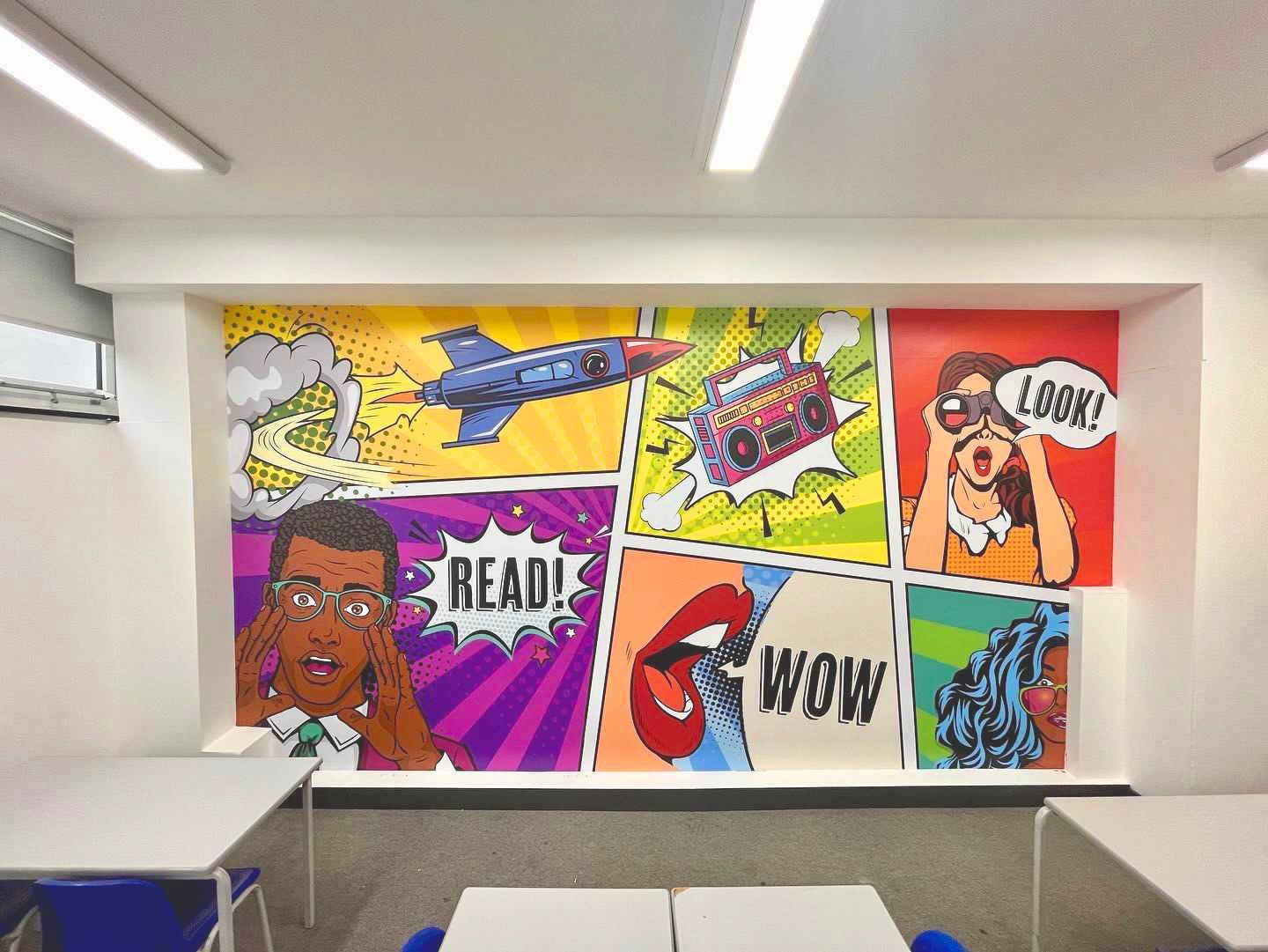
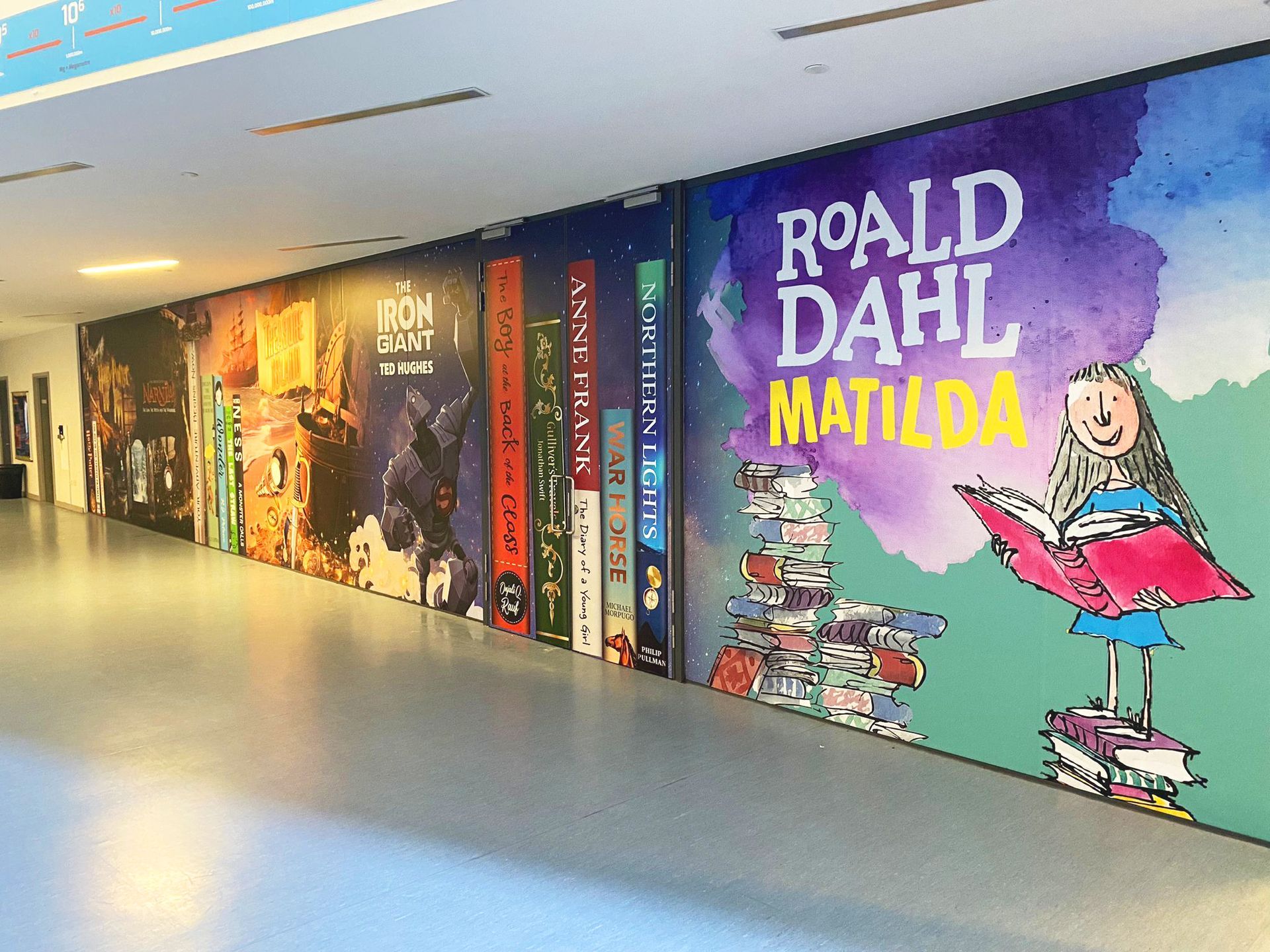
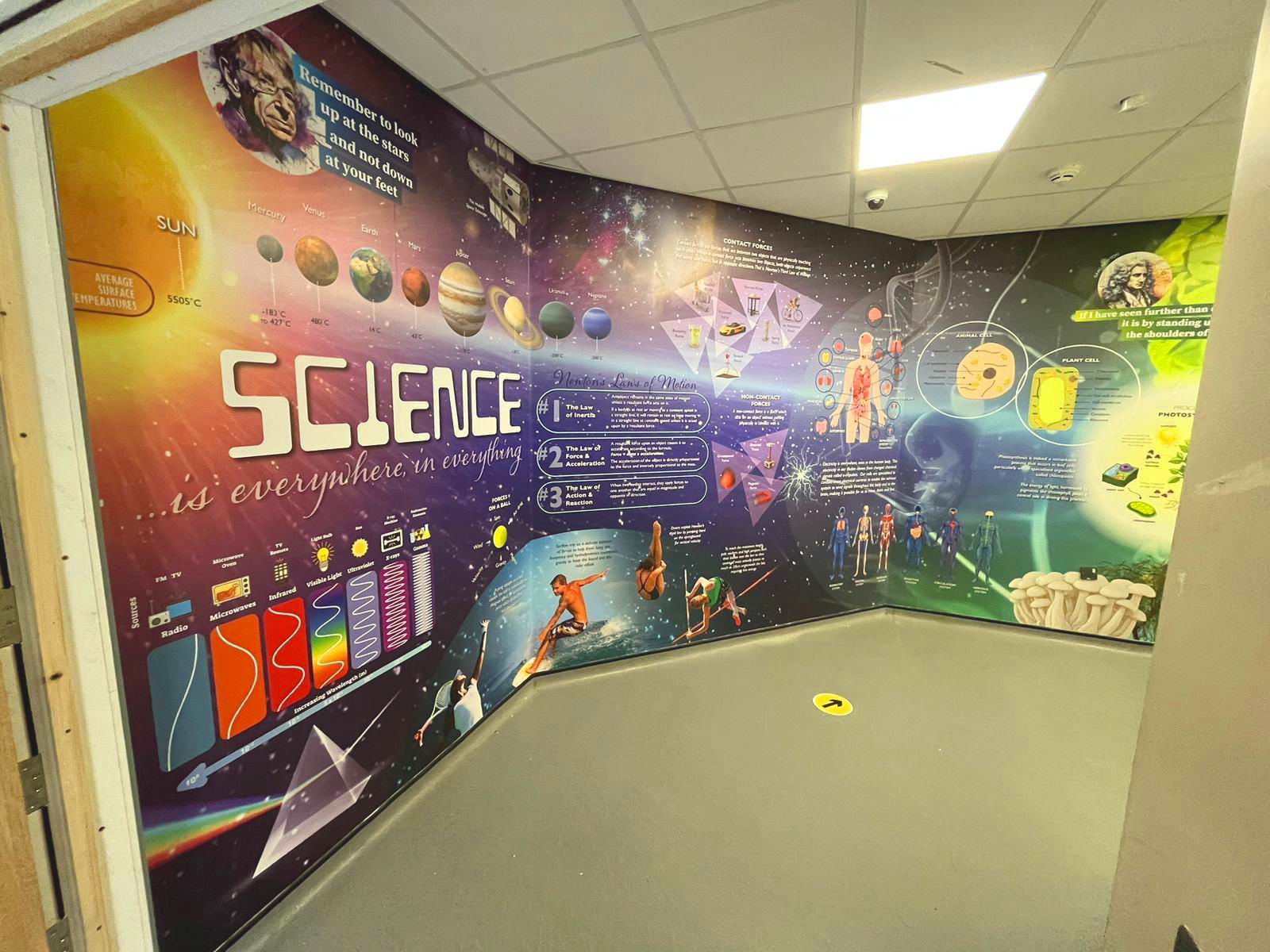
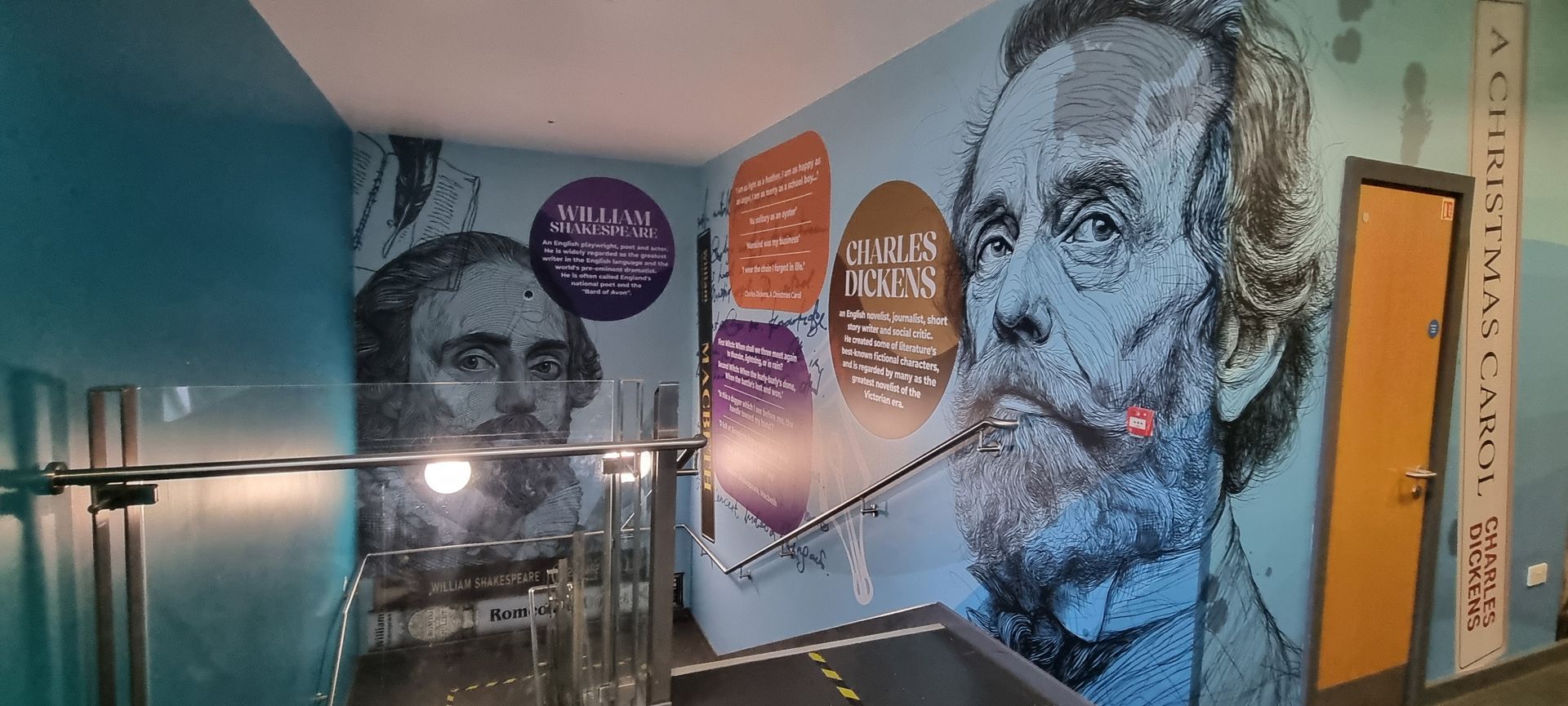
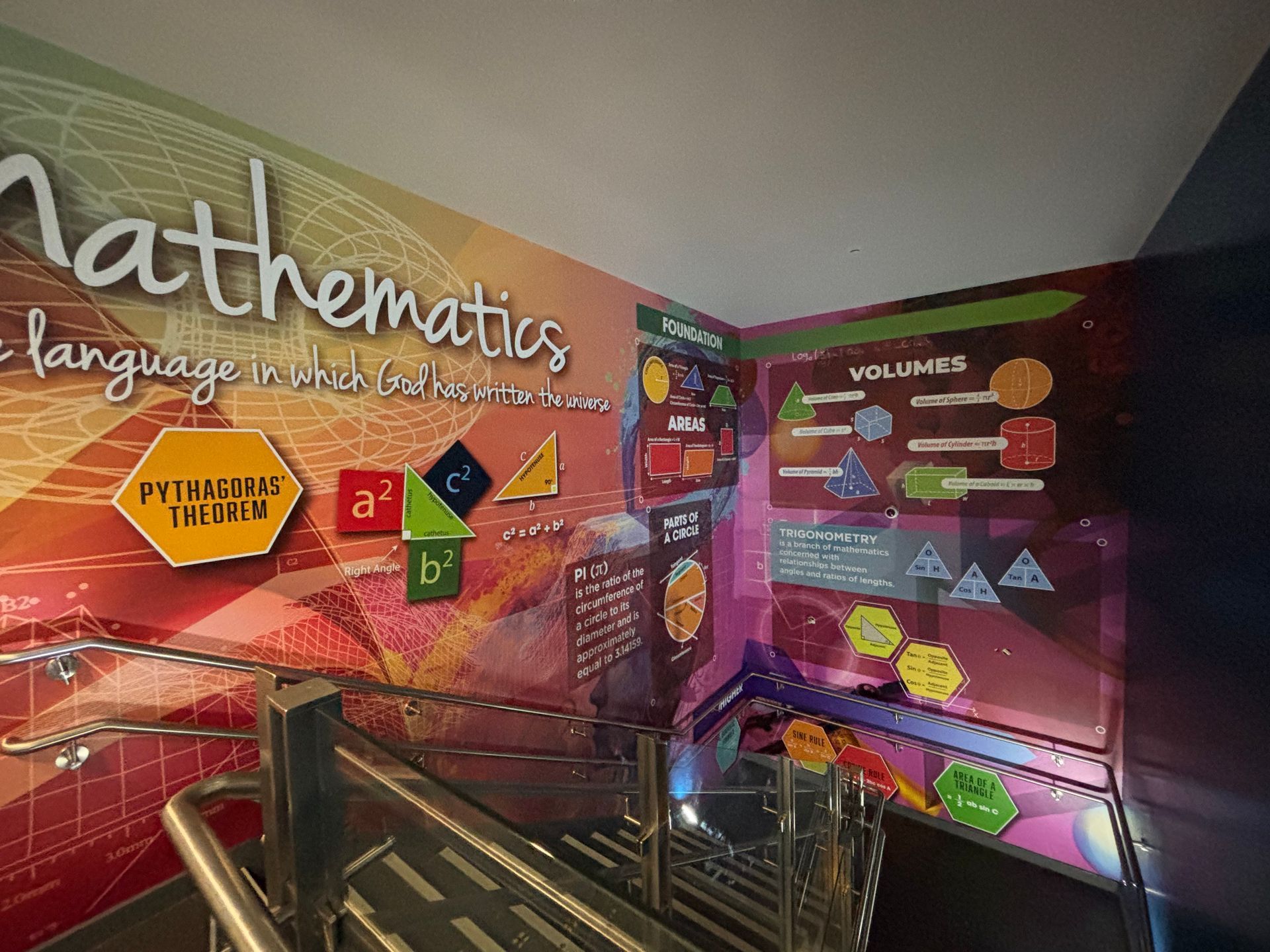
Wall graphics showcasing teamwork and cooperation, such as sports or group projects, can highlight these values as elements of the school’s beliefs.
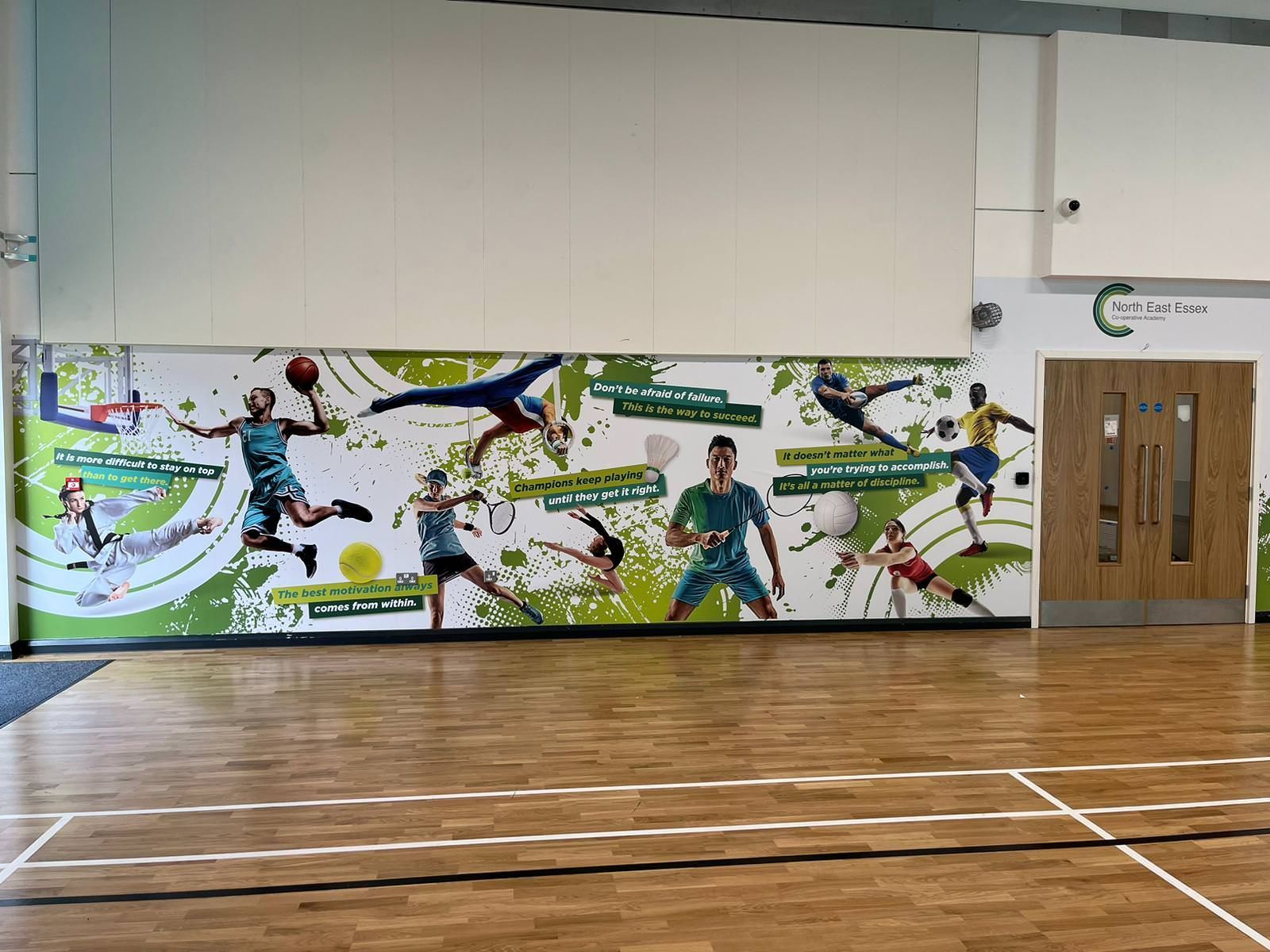
We are enhancing teamwork and fostering collaboration through the use of wall graphics.
Wall graphics showcasing teamwork and collaboration can effectively highlight these values in a school's philosophy or belief system. Here is a guide on creating and putting up wall graphics that communicate the significance of working as a team;
Essential Components for Collaboration and Team Interaction
- "Experience the power of teamwork in action."
- Show the unity of sports teams through pictures of them collaborating effectively in training sessions and celebrating their victories to emphasise teamwork's significance.
- Students working together on school projects and group tasks demonstrate the value of teamwork in settings such as academics and community service initiatives.
- "Teamwork is key to success," say athletes and leaders who recognise the importance of collaboration in achieving goals.
School Principles Emphasised the Importance of Teamwork and Collaboration as Key Design Elements in Visual Graphics.
- Visual narratives and influential figures play a role in shaping our perceptions and aspirations.
- Inspiring Tales of Achievement in School and Community Collaborations to Motivate Students.
- Portray individuals from the past and present who are recognised for working and accomplishing things as role models.
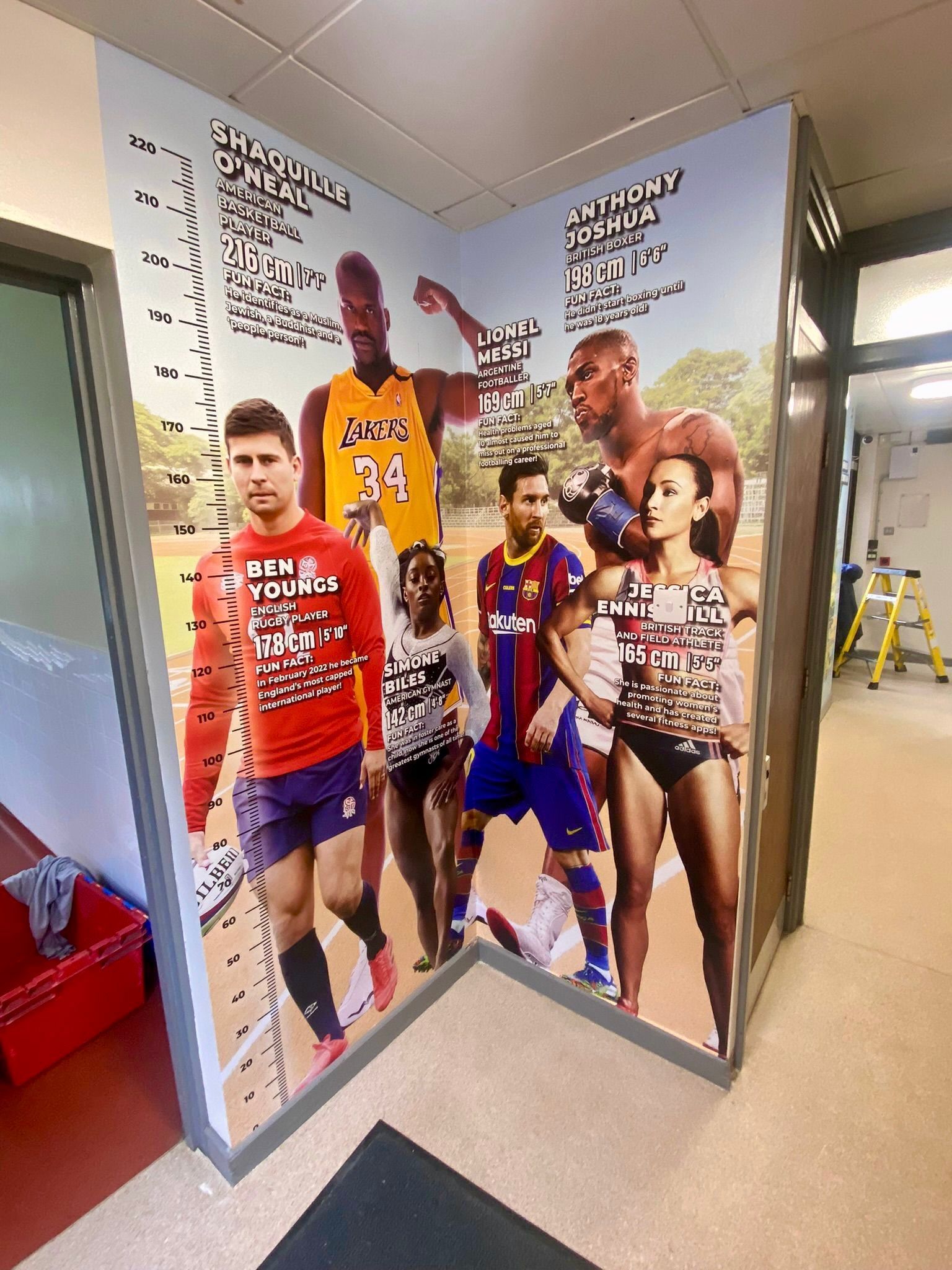
Strategically Positioning for Optimal Influence
Education settings;
- Let's set up spaces in the classroom for group projects and teamwork activities adorned with visuals that highlight the importance of working effectively.
- Utilise the walls in your workspace to showcase team projects and recognise the contributions made by each team member.
- Design themes that showcase the spirit of teamwork and collaboration through visuals and uplifting messages in the corridors of the workplace.
- Set up boards for students to exchange their stories of teamwork and cooperation.
Common meeting Areas;
- It was designated Collaboration Areas. Establish areas in shared spaces that feature seating and engaging visuals to encourage teamwork and facilitate group gatherings for students' collaborative activities.
- Display team achievements on walls in shared spaces to showcase accomplishments like sports wins and academic achievements as successful group projects.
When it comes to the areas where you first step into a building, like entryways and lobbies...
- Utilise graphics that showcase the school's dedication to teamwork and cooperation to create a welcoming atmosphere for visitors and students upon arrival.
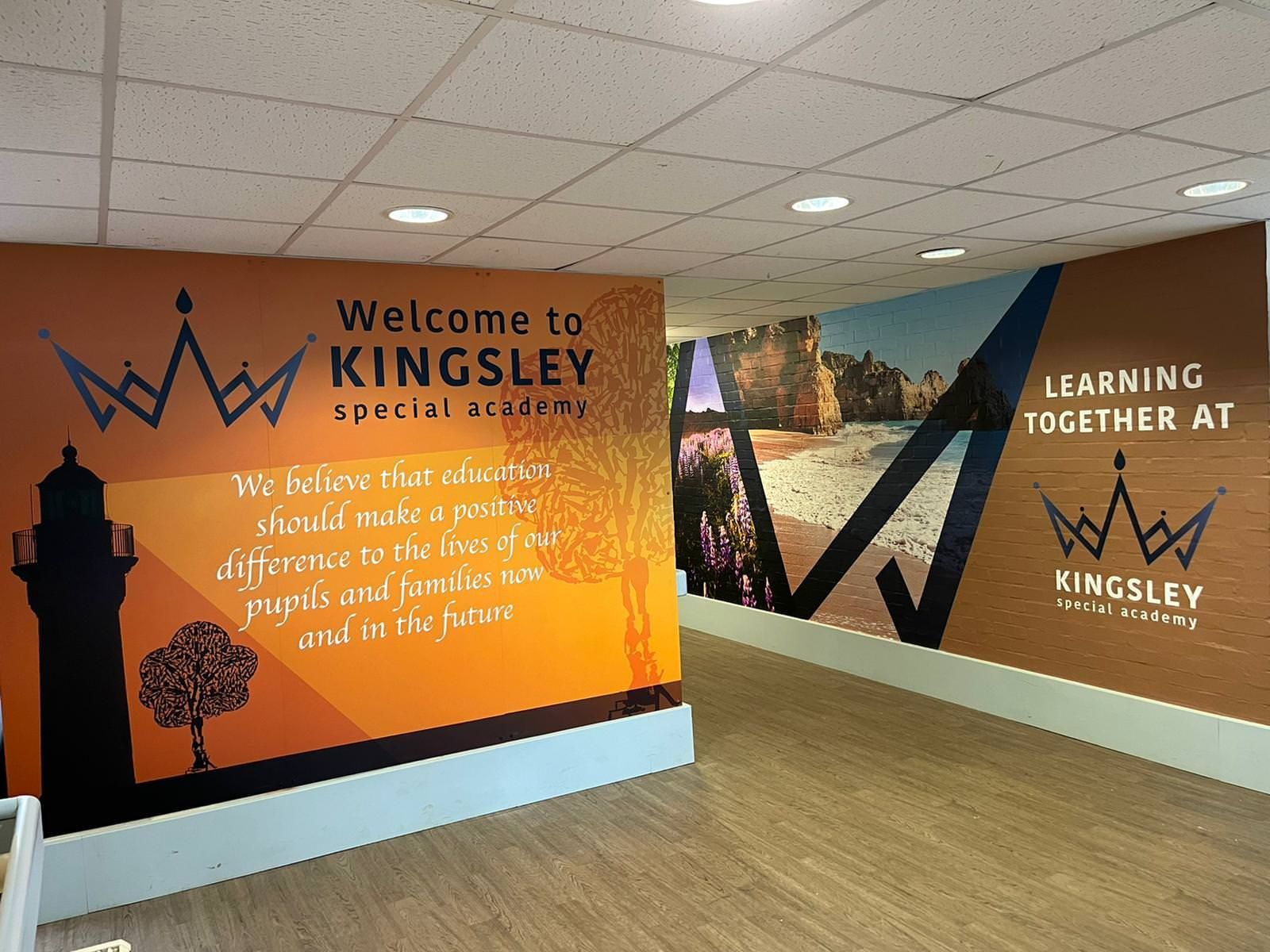
- Let's ensure that the school's mission statement, which highlights the importance of teamwork and collaboration, is included at the entrance.
Strategic Plan for Execution
Working together on the design process;
- Incorporate input from students and teachers during the design phase to ensure that the graphics reflect the values and behaviours of the school community.
- Engage with designers to craft top-notch visuals that communicate the intended messages.
Choosing materials;
- Select child-friendly materials that are safe and non-toxic for kids to play with.
- Choose eco alternatives by selecting materials matching the school's environmental stewardship dedication.
- Ensure it is installed to guarantee safety and aesthetic appeal while preventing any alignment or damage problems.
- Make sure to place graphics at a height kids can easily see and reach.
- Remember to set aside time for upkeep and cleaning to keep the visuals vibrant and captivating.
- Regularly refresh the content by adding topics to maintain relevancy and engagement with the audience.
Designs showcasing the power of teamwork and collaboration on wall graphics.
Sports Team Wall Painting;
- A massive mural showcasing school sports teams in action during games and practices, celebrating wins with quotes from athletes.
- Emphasis is placed on the significance of teamwork in sports, encouraging students to collaborate towards shared objectives.
Collaborative Project Wall:
- A space where teamwork and creativity come together to bring ideas to life!
- The graphics setup includes design elements, like visuals depicting students working together on assignments and group projects alongside community service initiatives, to effectively showcase real student work.
- Teamwork is highlighted in situations promoting collaboration among students for their projects.
Team challenge board for activities;
- A board featuring engaging team activities or puzzles for students to collaborate on and a designated area to showcase their team accomplishments and victories.
- Encourages students to participate in group tasks and promotes a feeling of working and friendship.
Team Accomplishments Display Board;
- A feature we're considering is a wall showcasing team accomplishments, such as sports wins and academic achievements, along with photos and quotes from team members.
- Success stories are highlighted to inspire teamwork among students, set examples for others to emulate, and promote a culture.
Wrapping Up Ideas:
Educational institutions can integrate elements emphasising teamwork and cooperation to embed these principles within the school’s culture. These visuals enhance the school's appeal and offer valuable educational advantages by fostering positive conduct and establishing a supportive and cooperative atmosphere. This strategy plays a role in cultivating a caring and team-focused school community that enhances students' development and achievements.